This is because we had strong immune systems. Microbiota, a diverse community of microorganisms that inhabit our bodies, can be found in the mouth, on the skin and within the digestive tract. Each of us acquire our microbiota at birth through the birth canal and nursing. Then it's further shaped throughout our lives by enviromental factors and diet, making each person's microbiota unique.
I bring this up because gut microbiota regulates and supports our immune system, which is made up of three main components: white blood cells that identify and fight invaders, antibodies that target antigens on these invaders, and the lymphatic system that transports immune cells throughout the body. A strong immune system is what protects our body from infection and illness. It does this by identifying threats and attacking harmful pathogens like bacteria, fungi, parasites and viruses.
The human gut microbial ecosystem interacts constantly with the body and performs key functions such as:
- Breaking down complex foods.
- Synthesizing essential vitamins
- Regulating energy metabolism.
- Providing defense against harmful microbes.
- Training and modulating immune response.
Our body's first line of defense is called, innate immunity, which responds immediately to any new adverse pathogens, helping to reduce the risk of disease. Over time, we develop acquired immunity, meaning that our body is intrinsically designed to recognize recurring harmful invaders, then goes about building an even more robust ecosystem that is increasingly effective at defending against future encounters. In other words, all those germs we picked up and ingested as kids, actually ended up shaping and strengthening our gut flora, thus our immune system.
Then along came synthetic drugs (and a plethora of other chemical laden foods, products and enviromental substances) that have devastated the microbial diversity in our digestive tract. For example, each time we swallow an antibiotic, it kills off beneficial microorganisms in our belly causing an eventual overgrowth of harmful ones. This is called gut dysbiosis. Other factors that can trigger gut dysbiosis are dietary changes like a high intake of sugar, alcohol, processed foods or not eating enough fiber. One of the immediate consequences of gut dysbiosis is immune system dysfunction. Gut microbiota imbalance can cause inflammatory diseases, autoimmune disorders, allergic responses, digestive problems, food intolerances and is directly linked to various health conditions, including:
- Gut-Brain Axis: Stress, anxiety, depression, schizophrenia, cognitive decline, autism.
- Gut-Brain Endocrine Axis: Metabolic, regulatory, hormonal and behavioral disorders.
- Gut-Heart Axis: Cardiovascular diseases, atherosclerosis, high blood pressure, blood clots.
- Gut-Lungs Axis: Chronic obstructive pulmonary disease, cancer, asthma.
- Gut-Liver Axis: Inflammation, non-alcoholic fatty liver, cancer.
- Gut-Pancreas Axis: Pancreas cell inflammation, obesity, diabetes.
- Gut-Bones Axis: Osteoporosis, bone demineralization.
- Gut-Muscle Axis: Loss of muscle mass, frailty, muscle impairment.
- Gut-Skin Axis: Wrinkles, aging, acne, psoriasis, atopic dermatitis.
- Gut-Reproductive Axis: Ovarian cancer, endometriosis, infertility.
- Gut-Kidney Axis: Inflammation, renal cell carcinoma, kidney failure, kidney stones, kidney disease.
- Gut-Bladder Axis: Overactive bladder, UTIs.
Overcoming these type of health challenges can seem hopeless at times, however restoring microbial balance is actually pretty simple. By cutting out processed foods and adding prebiotics and probiotics to our daily diet, we can disrupt these skewed gut-organ loops that cause disease, and begin repairing and rebuilding a healthy functioning immune system.
Prebiotics are non-digestable food components like fiber, that feed the benefical bacteria in the gut, which enhances overall health, regulates bowels and improves digestion. High-fiber foods include bananas, avocados, raspberries, raw carrots, sweet potatoes, broccoli, peas, oatmeal, quinoa, lentils, chickpeas, almonds, chia seeds, psyllium husks and whole grains. Note: when introducing more fiber into our diet, it's recommended to do so gradually to avoid digestive discomfort and to drink plenty of fluids to help the fiber work proficiently.
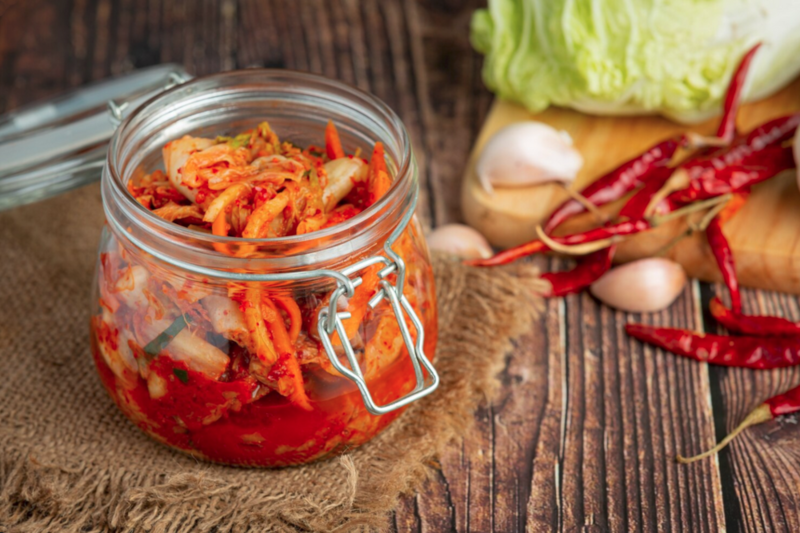
Probiotics are live microorganisms that aid digestion, support immune function and help maintain a healthy microbial diversity in our gut. The easiest and least expensive way to add probiotics to our daily diet is by eating feremented foods. This includes sourdough, high-quality 'plain' yogurt (we can add the fruit ourselves 😉), kefir, wine, sauerkraut, kombucha, pickles (in fermented brine not vinegar) and aged or raw cheese. But the top-dawg in the ferment world, with proven nutritional value and health-promoting properties that can heal our gut microbiome in record time, is kimchi.
Kimchi is a Korean dish with over 200 unique varieties - differing in ingredients, spice levels and fermentation duration. Its combination of fiber, vitamins, antioxidants and probiotics makes it the creme de la creme when it comes to gut health and immune response. With that said, I thought I'd share one of my favorite kimchi recipes:
🥕 Homemade Spicy Kimchi
Ingredients
- 1 large green cabbage - cut thinly or into chunks as preferred
- 3 T Redmonds salt
- 1-2 large carrots - sliced as desired
- 1 large ginger root - peeled & chopped
- 1 garlic bulb - peeled & sliced
- 1 bunch of green onions - chopped
- 1/2 a sweet onion - chopped
- 3-4 T chili or red pepper flakes
- 1/2 an apple - thinly sliced
- 1 T organic sugar
Instructions
- Place all the chopped cabbage into a large bowl.
- Add 3 tablespoons of Redmonds salt.
- Using hands, mix and smoosh around real good.
- Cover with a towel and let sit for 1-2 hours.
- Fill cabbage bowl with clean water, swish around, then drain to remove excess salt.
- Add remaining ingredients and blend together.
- Pack all into mason jar(s). Compress down using a wooden dowel.
- Drain any leftover juice from bowl into jar(s). Add water if needed.
- Poke kimchi with a skinny utensil, like a chopstick, to remove any air pockets. Add more water if needed.
- Add ferment weight and burp lid, making sure all ingredients are under the brine.
- Ferment for 10-14 days. Taste test on tenth day. (It gets softer and tangier the longer it ferments).
- When desired texture/taste is achieved, add mason lid and store in refrigerator for up to 6 months.
- Sprinkle sesame seeds on top before serving.
When shopping for fermented foods, always check labels for
active culturesand make sure to buy unpasturized, organic versions that contain live probiotics. Purchasing an expensive probiotic supplement, when we can't be certain of the quality of ingredients, is not the best choice in my opinion, especially since fermenting our own food is so dang easy and cost effective. Remember a serving of kimchi per day can help keep the doctor at bay, and before we know it, our bellies will be functioning efficiently, just like they did when we were kids.